September 1, 2026
5 Afterschool Norms That Keep SEL Going After the Bell
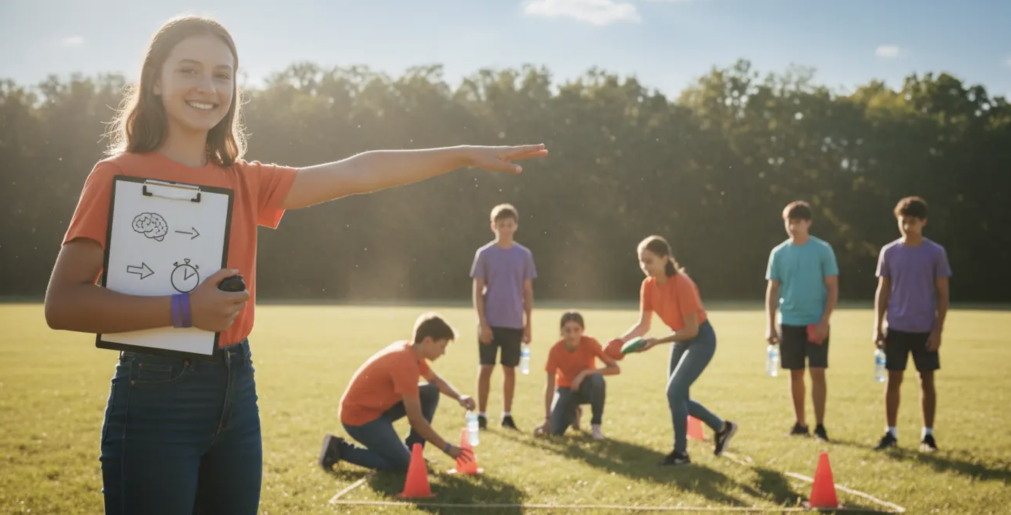
Social-emotional growth doesn’t clock out at the final bell. The frustration, the friendships, the figuring-out-how-to-handle-themselves all follow students right into your program. Afterschool doesn’t need to be babysitting. It can be an extension of the school day, one that keeps building social-emotional learning right along with it.
The cool part? Your staff already coach life skills every afternoon. Whether they’re talking a student down after a rough day or refereeing the game that went sideways, students are constantly reading the room and figuring out what to do when something doesn’t go their way.
The programs that get the most out of those hours don’t start SEL over at 3:00. Instead, they pick up the expectations students already know from the school day and keep them steady. A handful of norms, set early, do most of that work for you.
Five Norms to Set in the First Weeks
Try these for weaving SEL skills into your program.
1. Make the check-in a daily habit (Self Awareness)
Start every afternoon with a quick temperature read. A thumbs up or down, a word for how the day went, a feelings chart by the door. Yes, even the feelings chart!
These are a few things other programs use to open the afternoon. If you want a head start, the You Matter, Luma course helps students put words to what they’re feeling before they can find those words on their own.
2. Keep the routine predictable (Self Management)
Nothing helps a student hold it together like knowing what comes next. Set the flow early, snack then activity then free choice, and hold the line.
Leaning on the same handful of expectations they’ve had all day means less energy spent re-learning the rules and more spent on the activity. And decide your “here’s what we do when we’re frustrated” plan now, before the first hard moment instead of in the middle of it. No shame if this is where you usually wing it. Most programs do. (We break down those first ten minutes in our blog, From Redirecting to Leading.)
3. Set the “we look out for each other” norm early (Social Awareness)
Remember walking into a room where you didn’t know anyone? The first weeks feel like that for a lot of students.
Spend time on names, mix students up on purpose, and make noticing the student on the edge of the room an actual expectation instead of a nice-to-have. There’s more on this plus a 10-minute team exercise, and a 30-day plan to strengthen connection in this free playbook.
4. Teach how we treat each other, not just the rules (Relationship Skills)
Most back-to-school rules are a list of don’ts. Flip a few into how we do things here: how we disagree, how we take turns, how we work as a group. Model it early and you’ll spend a lot less time refereeing come October.
5. Let students help write the rules (Responsible Decision-Making)
Co-create a few norms in the first week, hand them real choices early, and let them feel the small consequences. When students have a voice in the rules, they hold onto them a lot longer.
None of this is extra work once it’s in place. Set these five and SEL just runs alongside everything else you do.
The hard part is keeping it going
Starting the norms is the easy part. Holding them steady once you’re deep in the season and down a staffer or two is where it gets hard. That’s easier when the activities carry the skills themselves and everyone’s working from the same playbook, so SEL isn’t one more thing to remember on a busy afternoon. It’s already baked into what students are doing. That’s what AB Studios is built for.
So, which of these five does your program already nail, and which one needs work?
Request a demo and we’ll help you find out.
September 1, 2026
5 Afterschool Norms That Keep…

September 1, 2026
From Login to First Activity:…
September 1, 2026
12.6 Million Students Missed Out…
July 28, 2026
10 Tips for Back to…