
April 28, 2026
You Made It to May! Now Let’s Make Summer Count
A full school year of programming is behind you! You planned sessions, covered shifts, navigated budget conversations, and showed up for students on the days when showing up was the hardest part. May is the month to recognize what your program built this year — and to carry that momentum into summer.
For programs running summer enrichment, that next chapter is closer than it feels. Research shows 70% to 78% of elementary students lose math knowledge over the summer, and 62% to 73% lose reading skills.
Summer programming is not babysitting; rather, it’s protecting what students spent all year building, while keeping it genuinely fun.
The Real Reason Summer Programs Struggle
Afterschool leaders know summer brings a different kind of energy. Longer sessions. A looser schedule. A student mix that shifts. What is often overlooked is the one thing that determines whether summer goes well: staffing.
When the National Center for Education Statistics (NCES) surveyed school leaders who could not offer summer programming, 30% pointed to an inability to staff it properly.
The programs that turn a brand new hire into a rockstar staff member by Friday are not always the best-funded ones; instead, they are the best-structured ones. Here’s what that looks like in action.
What Summer Planning Looks Like When It Actually Works
The difference between a summer that runs and a summer that scrambles usually comes down to decisions made in spring, not June.
- A calendar that exists before summer starts. It doesn’t have to be perfect — just accessible. Staff who know what they are doing that week run better sessions than staff who figure it out at 8am.
- Content that meets the room. Summer students are not expecting to sit still. Sessions that open with a story or a challenge capture that energy. Content that tries to settle the room first usually loses it.
- A program that any staff member can run. Not just your best hire, but your newest one too. If a substitute cannot pick it up and lead a strong session, the curriculum is working against you.
None of this means starting from scratch. It simply requires having the right tools in place — before the first day.
How the Right Tools Make This Possible
Afterschool has always been handed tools built for someone else. Classroom curriculum. Teacher-facing technology. Content that assumes a seated, compliant audience and a trained educator at the front of the room.
None of it reflects how afterschool and summer camps actually work.
We built AB Studios because afterschool deserves tools that fit how it runs.
Keeli, a site director who runs programming across multiple locations, said it in a way that stuck with us: “You could be fresh out of high school or you could be a teacher for 15 years. No matter who is facilitating the lesson, they’re still going to get the same lesson from the videos.”
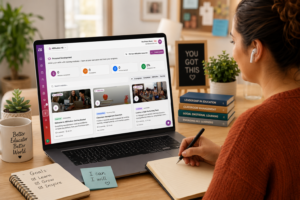
That is what good summer programming is built on. An AI lesson planner that generates full session plans in seconds means your team is not building curriculum from scratch the week before June. A programming calendar that lives in one place means all staff, across all sites, are working from the same plan.
You made it to May. Now make summer the part of the year your students talk about in September.
Want to see how AB Studios supports summer programming from planning to the last day of session? Book a demo at abstudios.com.

September 1, 2026
5 Afterschool Norms That Keep…

September 1, 2026
From Login to First Activity:…

September 1, 2026
12.6 Million Students Missed Out…
July 28, 2026
10 Tips for Back to…